
Are job interviews confidential? Learn what employers can share, your privacy rights, and how confidentiality works during job interviews.
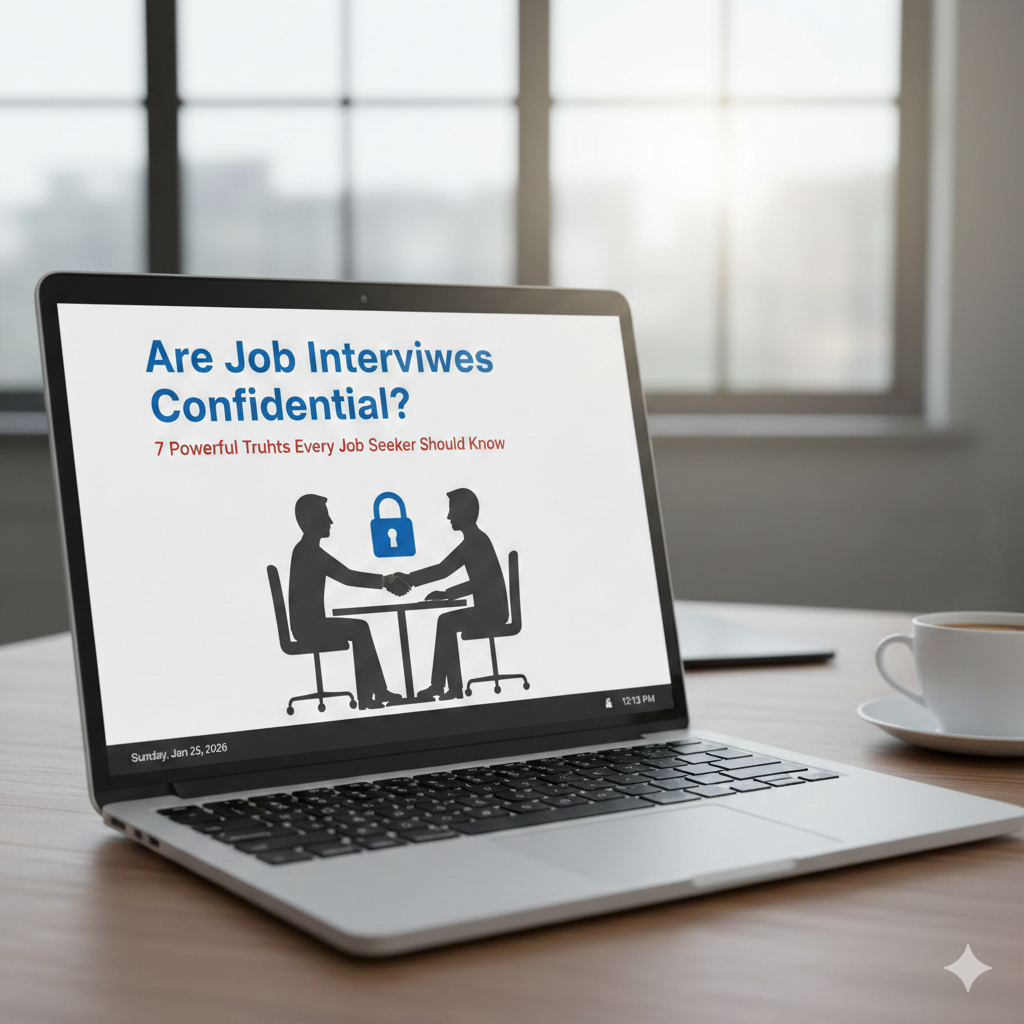
Are Job Interviews Confidential? 7 Powerful Truths Every Job Seeker Should Know
Many candidates ask are job interviews confidential, especially when applying while currently employed. Concerns about privacy, workplace reputation, and personal information are completely valid.
In most cases, job interviews are treated as confidential, but there are important limits and exceptions every job seeker should understand.
What Does Confidentiality Mean in Job Interviews?
Before answering are job interviews confidential, it’s important to understand what confidentiality means in this context.
Confidentiality generally refers to:
- Protecting your personal information
- Limiting who has access to interview details
- Using your information only for recruitment purposes
Employers are expected to handle candidate information responsibly and professionally.
Are Job Interviews Confidential by Law?
So, are job interviews confidential under Australian law?
There is no single law that explicitly states job interviews must be confidential. However, employers are legally required to protect candidate information under:
- Privacy Act 1988
- Australian Privacy Principles (APPs)
- Workplace and anti-discrimination laws
These laws require employers to:
- Collect only relevant information
- Store personal data securely
- Avoid unauthorised disclosure
As a result, job interviews are generally treated as confidential.
What Information Is Kept Confidential?
When asking are job interviews confidential, the answer is mostly yes for the following information:
✔ Personal details (name, contact details, address)
✔ Resume and employment history
✔ Interview answers and assessments
✔ Background checks and references
✔ Medical or sensitive information
Employers must protect this information and use it only for recruitment.
What Employers May Share
While interviews are usually confidential, employers may share limited information:
- With hiring managers involved in the process
- With HR teams or recruitment agencies
- For internal decision-making
However, this sharing is restricted to people who need to know and must comply with privacy obligations.
This nuance is important when understanding are job interviews confidential.
Confidentiality for Internal Job Interviews
Internal interviews raise common concerns.
Are internal job interviews confidential?
Generally, yes, but with limitations.
Managers and HR may know you applied for another role, especially if:
- You require internal approvals
- Your manager is part of the selection panel
However, professional organisations aim to keep internal applications discreet.
What Job Seekers Should Keep Confidential
Confidentiality is a two-way responsibility.
As a job seeker, you should avoid:
❌ Sharing company-sensitive information from your current job
❌ Discussing interview questions publicly
❌ Revealing internal hiring details
Maintaining professionalism improves trust and hiring outcomes.
Common Myths About Interview Confidentiality
People often misunderstand are job interviews confidential due to these myths:
❌ Employers can freely tell your current employer
❌ Interview details are public knowledge
❌ Recruiters can share resumes without permission
In reality, doing so could breach privacy laws.
FAQs – Are Job Interviews Confidential
❓ Are job interviews confidential from my current employer?
Yes, employers should not contact your current employer without consent.
❓ Can interviewers discuss my interview with others?
Only with authorised staff involved in hiring.
❓ Are job interviews confidential when using recruiters?
Yes, recruiters must follow privacy and confidentiality laws.
❓ Can interview notes be shared?
Only internally and for hiring purposes.
Final Thoughts
So, are job interviews confidential? In most cases, yes. Employers are expected—and often legally required—to protect your personal information and treat interviews discreetly.
While confidentiality is not absolute, understanding your rights and responsibilities helps you approach interviews with confidence and peace of mind.