
Are jobs harder to get now than before? Learn what’s changed in the job market, why competition is higher, and how to stand out today.
Are Jobs Harder to Get Now? 9 Powerful Reasons Job Seekers Are Struggling
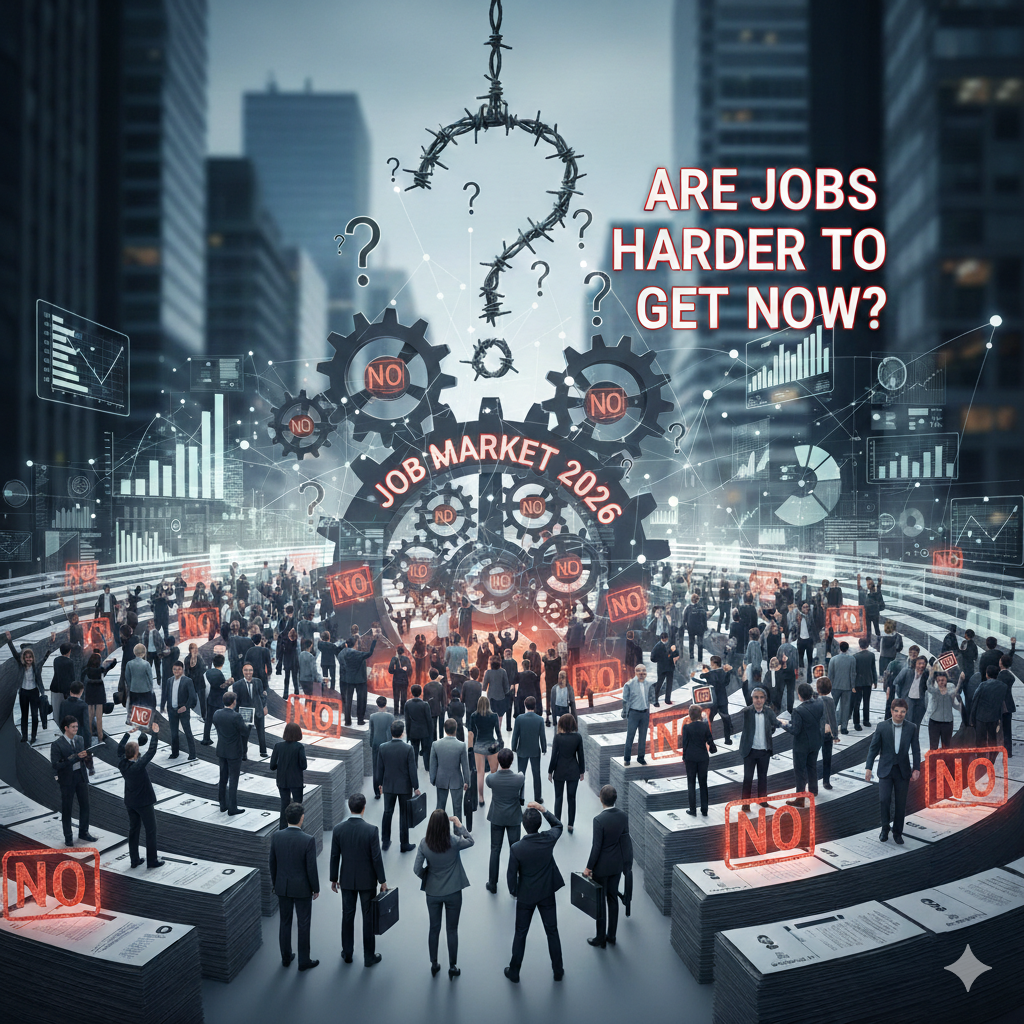
Many people are asking the same question: are jobs harder to get now than they were a few years ago?
If it feels like you’re applying for dozens of roles with little response, you’re not imagining it. The job market has changed significantly due to economic shifts, technology, and hiring trends. However, while competition has increased, opportunities still exist — if you know where to look.
Are Jobs Harder to Get Now Than Before?
In short, yes — jobs are harder to get now for many people, but not for everyone.
Compared to previous years:
- More people apply for each role
- Employers are more selective
- Automated screening filters out many applicants
At the same time, certain industries are experiencing worker shortages, making jobs easier to secure in those areas.
Why Jobs Feel Harder to Get
Several factors explain why people feel jobs are harder to get now:
1️⃣ More Competition Online
Job boards allow anyone to apply instantly, increasing applicant numbers.
2️⃣ Applicant Tracking Systems (ATS)
Many resumes never reach human eyes due to keyword filtering.
3️⃣ Economic Uncertainty
Companies are cautious about hiring during economic slowdowns.
4️⃣ Higher Skill Expectations
Entry-level roles now often require experience.
5️⃣ Global Talent Pool
Remote work allows employers to hire from anywhere.
Industries Where Jobs Are Still Easy to Find
Despite concerns about whether jobs are harder to get now, some sectors are actively hiring:
✔ Healthcare & aged care
✔ Disability & support work
✔ Construction & trades
✔ Warehousing & logistics
✔ Hospitality & retail
In these fields, demand often outweighs supply.
The Impact of Online Job Applications
Online applications have changed hiring completely.
Problems include:
- Hundreds of applicants per role
- One-click “easy apply” flooding employers
- Generic resumes losing impact
This makes jobs harder to get now, especially for applicants who don’t tailor their applications.
How Employers Hire Differently Today
Modern hiring focuses on:
- Cultural fit
- Soft skills
- Shortlisted experience
- Video interviews
- Background and reference checks
Employers now reject faster and shortlist more aggressively.
What Job Seekers Can Do to Stand Out
If you’re wondering are jobs harder to get now, the better question is how to adapt:
✔ Tailor your resume for each role
✔ Use keywords to pass ATS systems
✔ Apply early
✔ Network through LinkedIn and referrals
✔ Consider contract or temporary roles
✔ Upskill with short courses or certifications
Small improvements make a big difference.
Is It Harder for Freshers and Career Changers?
Yes, jobs are harder to get now for:
- New graduates
- People changing industries
- Migrants without local experience
However, entry-level, internship, volunteer, and agency roles can help bridge the gap.
FAQs – Are Jobs Harder to Get Now?
❓ Are jobs harder to get now in Australia?
Yes, competition has increased, but labour shortages still exist in key sectors.
❓ Are jobs harder to get now without experience?
Yes, but roles in care, hospitality, and labour hire remain accessible.
❓ Are jobs harder to get now than in 2020?
In many industries, yes — hiring standards are higher.
❓ Are jobs harder to get now due to AI?
Yes, automation and ATS systems have raised the bar for applications.
Conclusion: Are Jobs Harder to Get Now?
So, are jobs harder to get now?
👉 Yes, competition is higher, and hiring is more selective.
👉 No, if you target high-demand industries and adapt your strategy.
Jobs haven’t disappeared — the way to get hired has changed.